How to Train for a Slipstream Adventures Cycling Holiday in Morzine
You’ve booked (or you’re thinking about booking) a Slipstream Adventures week in Morzine. If you’ve never ridden in the Alps before, you’re probably equal parts excited and quietly wondering what you’ve signed up for. If you have ridden in the Alps, you’ll already know that they have a way of rewarding good preparation and punishing… optimism.
The good news? You don’t need to train like you’re racing the Tour de France. You do need to train with a bit of structure, consistency, and an understanding of what riding in the mountains actually feels like.
This guide is written for Slipstream Adventures riders, training from January through to June, and works whether you’re already strong or building towards your first holiday in the mountains.
What Riding in Morzine Is Really Like
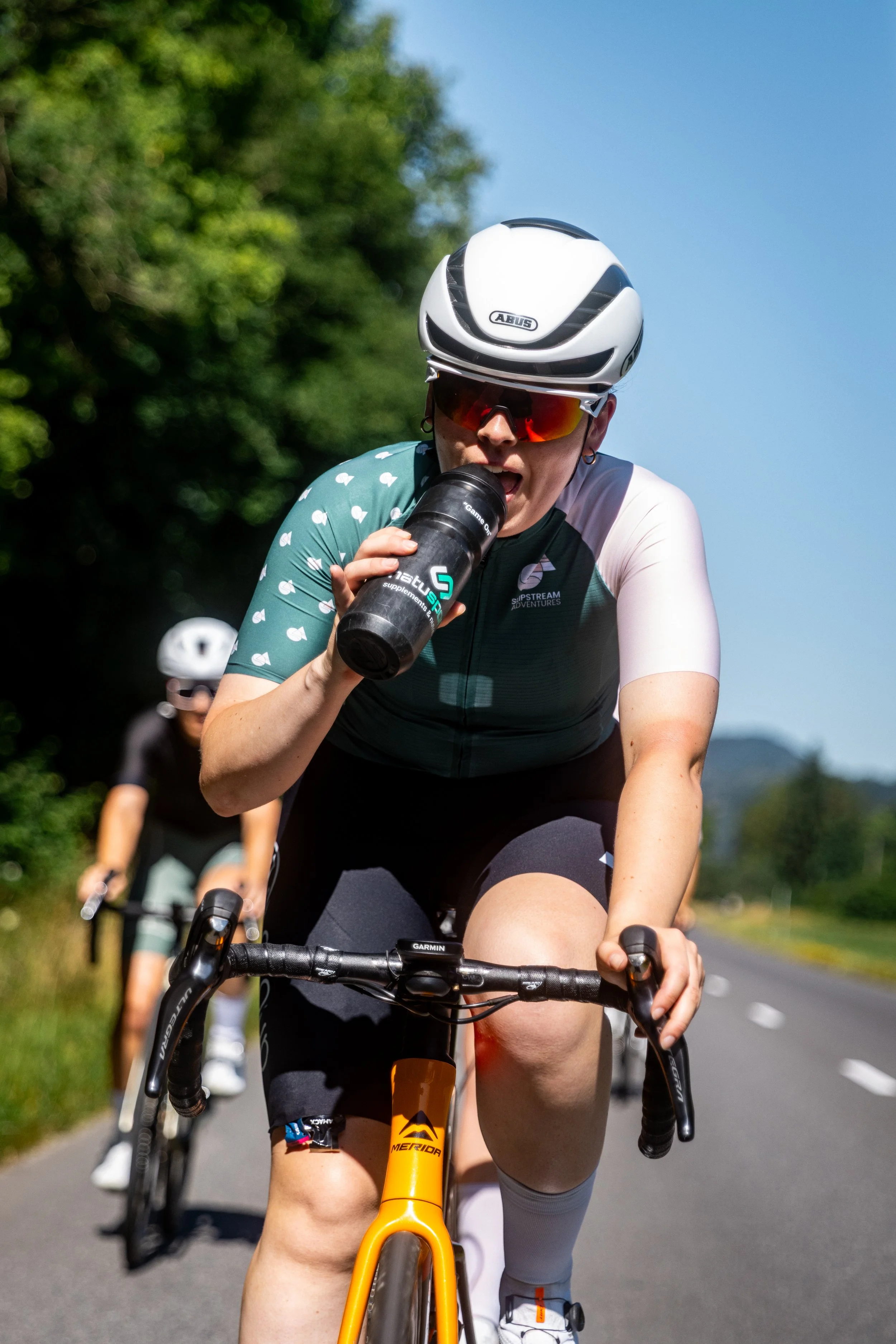
A typical Morzine day looks something like this:
A long, steady climb (often 30-90 minutes)
Riding at a pace you can sustain, not surge
Doing it all again the next day
Descending for a long time, usually when your legs are already tired
Most people don’t struggle because they’re “not fit enough”. They struggle because they:
go too hard too early
haven’t practised sustained pacing
aren’t used to riding on tired legs
That’s exactly what we train for.
The Big Picture: January → June
Rather than obsessing over every session, think in blocks or phases:
January–February: Build the engine
March–April: Add some structure
May: Make it feel like the Alps (specificity)
June/July/August: Arrive fresh, not broken
Simple. Effective. Repeatable.
What a Good Alpine Training Week Actually Includes
No shortcuts here. A good Morzine prep week usually has:
Zone 2 endurance
Threshold work
VO₂max sessions
One longer ride
Stronger riders do more. Developing riders do less. The ingredients stay the same. “It doesn’t get easier, you just get faster.”
January–February: Build the Engine
This is where patience pays off.
The focus
Consistency
Zone 2 riding
Getting comfortable spending time on the bike
What it looks like
3–4 rides per week
Mostly steady, conversational pace
One short intense session
One longer ride at the weekend
If you’re feeling like it’s too easy, you’re doing it right. This block should be fun.
Winter Riding Reality
This is where indoor training earns its place. Our Slipstream Adventures Tuesday Night Zwift Workouts slot in perfectly here.
Tuesday Night Zwift
60 minutes. Sometimes slightly less, sometimes slightly more
Structured, purposeful intervals
Aerobic power and efficiency
Friendly, no-ego vibe
The rubber band is on so you just need to turn up, keep pedalling and it will keep you with the group. Like your holiday, no one’s left behind. Joining this keeps you accountable to turn up each week and the group vibes get us through the pain.
March–April: Add Structure and Enjoy The Sunshine
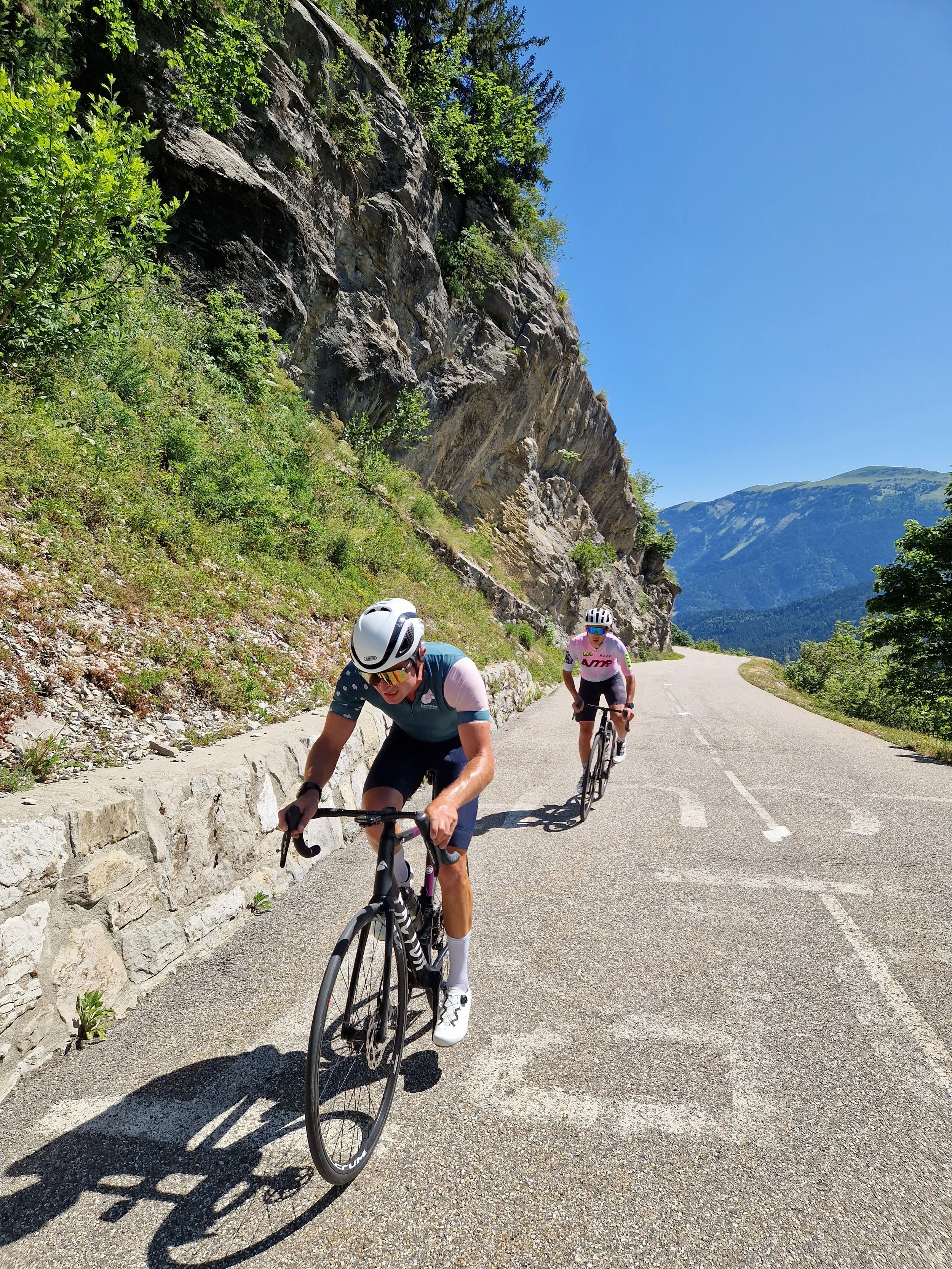
Spring is where things get interesting.
This phase focuses on:
Longer intervals
Sweet spot and threshold (the next step up from Zone 2)
Learning to sit at an uncomfortable-but-manageable pace
Key sessions
Threshold work (2×20, 3×15, etc.)
Sweet spot for sustained pressure
Keep Zone 2 ticking over
You should finish sessions feeling worked, not wrecked.
Raise The Ceiling: VO₂max
If you have a wearable and are in to tracking your progress, your two key metrics are Functional Threshold Power (FTP) and VO₂max. VO₂max will work you to your peak heart rate and push the limits of what you thought you were capable of. The theory to this is then when you’re working at lower heart rates, it feels more comfortable.
How to use it
Once a week
Short, hard controlled efforts
It helps climbs feel less overwhelming and gets you used to the feeling of your heart rate being near the max. Dipping your toes into the pain cave.
May: Make It Feel Like the Alps
This is where confidence starts to build.
The focus
Longer sustained efforts aim for around 60 minutes efforts on the gas.
Practising pacing - Alps due Zwift on the turbo is great for this. Outside aim for a route without many junctions so you can stay on the gas.
Riding tired legs
If you don’t have hills:
A time trial, or long flat route at higher power without easing off simulates a similar feeling of continuous strain.
Use long indoor intervals
Stay seated and steady
This is the month where most people realise, “Actually… I’ve got this.”
June/July/August: Turn Up Fresh
This is where people undo good work.
You don’t need to cram fitness in the month you arrive. You need to:
Keep intensity
Reduce volume
Let fitness settle
Turning up slightly underdone but fresh beats turning up cooked every time.
Strength Training & Cross Training
Running, gym, yoga - all useful if managed well.
If you’re lifting:
Back, core and leg strength. Deadlift are a personal favourite ONLY if your form is right.
High weight, low reps. Your cycling focuses on the ‘endurance’ range, you are looking for ‘anaerobic adaptations’ in the gym.
Avoid heavy leg days right before key rides
Descending (The Quiet Fear)
Descending confidence improves fastest when:
You know the basics to cornering well
You’re less fatigued
Your bike setup is right
You’re relaxed
Head over to our other blog post where we discuss descending and climbing technique.
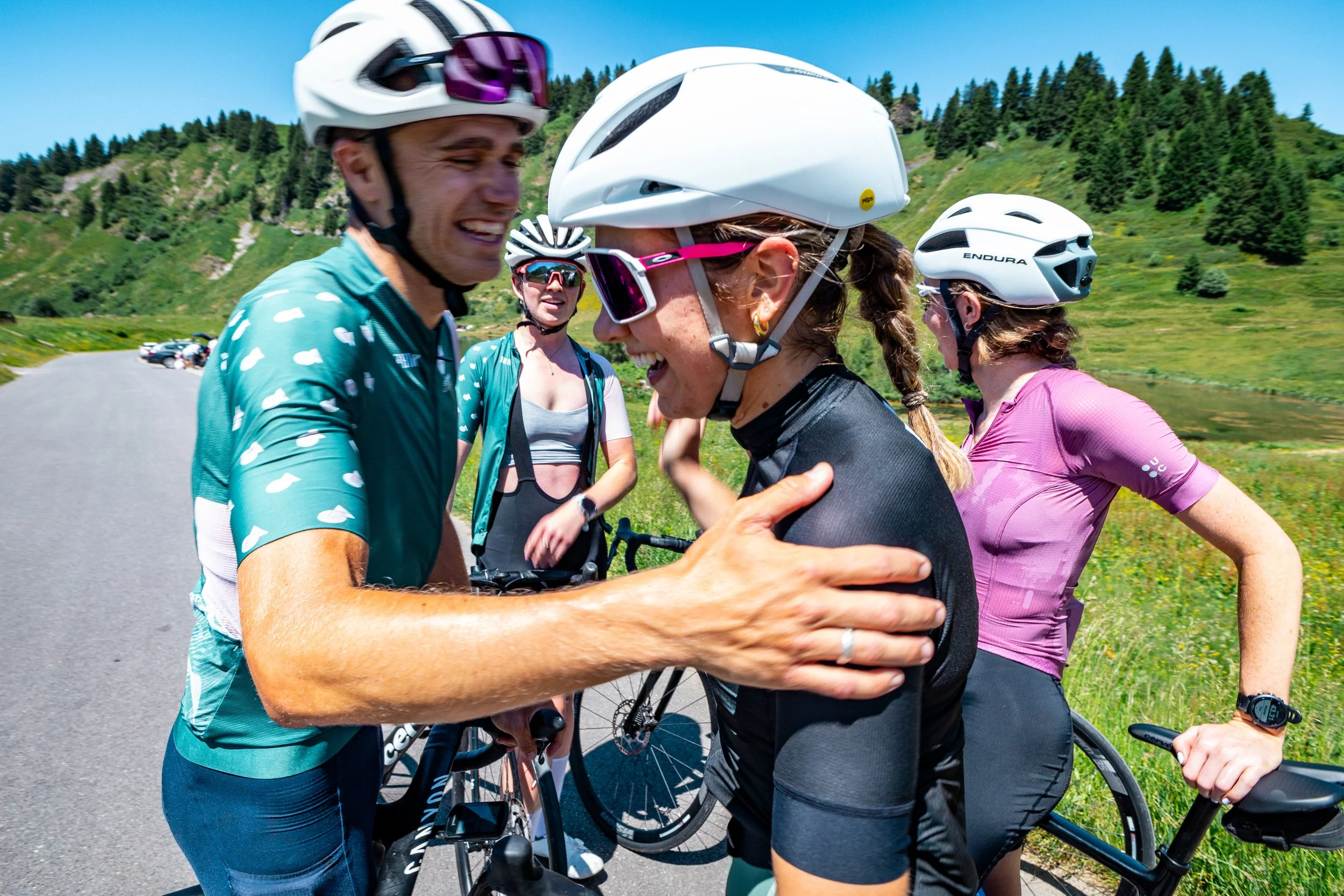
Who This Approach Works For
This works if you:
Ride 3-6 days per week
Want to enjoy the Alps, not just survive them
Care about pacing more than ego
Like the idea of finishing rides tired but smiling
Stronger riders still benefit. Newer mountain riders gain confidence fast.
Final Thoughts
Training for Morzine doesn’t need to be complicated.
Ride consistently. Add structure gradually. Trust the process. But most of all enjoy being on your bike.
And if you’re ever unsure: Just ask - that’s what we’re here for!
Want to Train With Us?
Or just ride regularly and enjoy the build-up
See you in the Alps.
